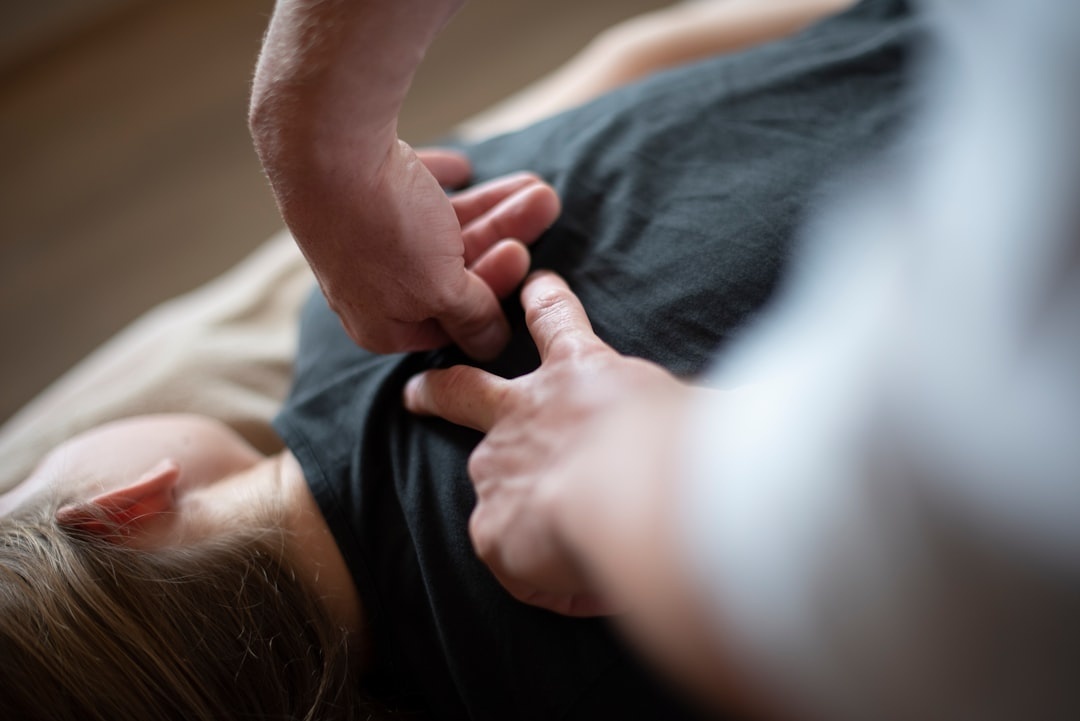
Croydon Osteopath Tips for Lifting and Moving Safely
Back pain does not arrive with a drumroll. It usually announces itself after a thoughtless twist, a heavy box, a weekend of DIY, or a well-meant favor that should have been a two-person job. As an osteopath working day to day in Croydon, I see the same patterns play out in clinic: a compromised posture under load, bracing that happens too late, bending from the spine rather than the hips, and fatigue pushing people past the point where their tissues can safely cope. The good news is that small, consistent shifts in how you lift and move can save you months of aggravation. The better news is that most of those shifts are not complicated or athletic. They are about timing, alignment, and restraint.
This guide blends practical technique with the reasoning behind it. It explains what your tissues can tolerate, where they fail, and how to recruit the right muscles at the right time. It also situates those ideas in real settings around Croydon, from stairwells in older terraces to warehouse floors and pram-hauling on the tram. If you are searching for an osteopath in Croydon or browsing Croydon osteopathy resources after a strain, read this before you repeat the same movement patterns tomorrow.
Why lifting goes wrong even when you “know better”
Most people can describe the textbook lifting advice, yet the same people get injured. That mismatch comes from three realities. First, load and lever length multiply quickly. A 12 kg box held 40 cm from your belly can create more torque at the lumbar spine than a 20 kg box hugged to your ribs. Second, the spine is strong but thrives on alignment. Twist while flexed, add a quick jerk, and you have the classic recipe for a disc or facet joint complaint. Third, timing matters. If you brace after you start lifting, you are a step behind. Good technique is a sequence: set your base, pre-load tension, then move with your hips.
Being an osteopath in Croydon means I see avatars of these errors daily. A contractor carries plasterboard through a narrow hallway and twists to clear the door jamb. A new parent lifts a car seat from the far side of the back seat, arm outstretched, spine curved, neck cranked. A chef flips a 25 kg sack of flour from the floor to a counter, using momentum rather than leg drive. Each story is different, but the mechanics rhyme.
The body’s loading rules, in plain terms
If you know what your tissues like, you can make better calls, even when tired.
- The spine tolerates compression better than shear. Compression is vertical load through the stack, shear is sliding force across it. Rounding forward with a weight far from your body invites shear.
- Discs behave like pressurised cushions. They are stable under even pressure and vulnerable under uneven pressure, especially when you bend, twist, and load rapidly.
- Muscles handle load best when slightly pre-tensioned. If your abdominal wall, pelvic floor, and back extensors are braced gently before you move, the spine moves as a unit.
- Hips are the engine. Big gluteal and hamstring muscles are built for force. When you hinge at the hips and keep the shins relatively vertical, you shift work from passive spinal tissues to active hip muscles.
- Fatigue erodes form. Your risk curve rises when you are in a hurry, cold, dehydrated, or on your fifth identical lift.
Croydon osteopathy appointments often start with these fundamentals. Patients do not need a lecture, they need a working picture. If you imagine your torso as a packed cylinder and your hips as a hinge, you are mostly there.
A Croydon-shaped environment: stairs, tight corners, commutes
Technique lives or dies in context. Much of Croydon’s housing stock includes narrow stairs and split-level landings. Many people carry loads from street level up two or three flights, often with uneven treads. Office workers commute with laptops and gym bags, swap trains at East Croydon, then thread through crowds. Retail and logistics staff in the area handle repetitive lifting on concrete floors. The surfaces are hard, the turning spaces tight, and the time pressure real. Strategy needs to reflect that.
If you need to lift in a stairwell, plan before you start. Can you stage items on a half-landing to avoid a maximal effort all the way up? If you are moving a washing machine in a Victorian terrace, can you remove doors and lift the machine onto sliders rather than muscling it around a corner? If you are a parent, can you rotate the car seat so the child faces you and bring them close before lifting, rather than reaching over the base? Not every solution is elegant, but thinking ahead trims risk more than perfect form done too late.
The three-second setup that changes most lifts
When patients ask for one thing to remember, I give them a three-second ritual any Croydon osteopath would recognise.
- Feet set: hip width, one foot slightly ahead for balance, weight even through heel, big toe, and little toe.
- Brace and hinge: inhale softly, then exhale into a light brace as if preparing for a gentle cough, crease at the hips, spine long, chest softly up.
- Hug the load: bring the object close before you stand, forearms pinned, shoulders relaxed and slightly back, eyes looking a few metres ahead, not at your toes.
Most people rush the middle step and hinge too little. If you feel your hamstrings catch and your tailbone tip slightly behind you, you have likely found the hinge. If you feel the weight dangling out in front of your knees, you have not hugged the load enough.
When the floor is not an option: mid-level lifting
Lifting from knee to waist is common. Think crates on the bottom shelf at a Purley Way store or bags in a supermarket trolley. Here, the temptation is to round forward and scoop. A better pattern is the half-squat and slide. Bring yourself close, one shin just touching the object or trolley lip. Hinge and lower until your forearms rest on the near edge, then slide the osteopaths Croydon load to your body before you stand. Sliding reduces the lever arm and therefore the shear on your spine. If sliding is not possible, tip the load slightly to create a handhold, then hug it to your ribs.
In a clinic setting at an osteopath clinic Croydon patients often practice this with a weighted crate, learning to feel the difference between lifting 12 kg from 30 cm away versus from 5 cm. Your back will tell you which is friendlier.
Twisting, turning, and the myth of the “no-twist rule”
“Never twist” is simplistic. Humans twist. The problem is twisting while flexed and loaded, then adding speed. If you must turn with a weight, follow two steps. First, stand tall with the load close. Second, turn with your feet and hips, not your spine. Think of your pelvis as your steering wheel. Many back strains happen in doorways and at car boots because people plant their feet and rotate their torso like a screwdriver.
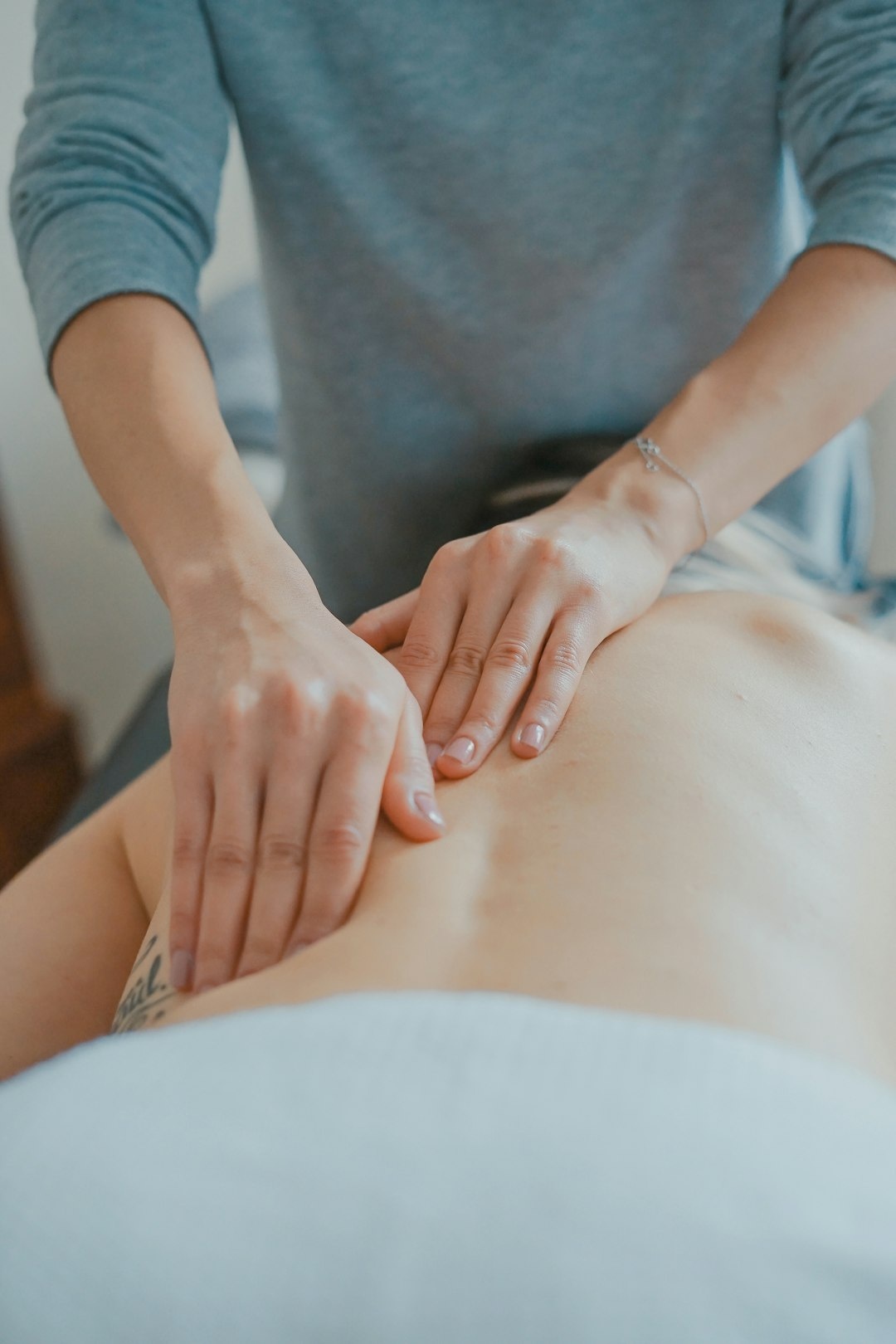
A practical image that resonates with Croydon osteo patients: imagine two headlights on the fronts of your hips. Wherever the headlights point, your chest follows. If the headlights do not move, your spine is twisting too much relative to your pelvis.
Stairs: a simple rhythm that protects knees and back
Stair carries punish sloppy rhythm. Keep the load close to your belly, one step at a time, and do not let your knee collapse inward. If you are descending, take your time, keep your weight slightly back, and feel your whole foot land. If the load obstructs your view, recruit a second person or split the load. Gravity will always win arguments with ego.
A tip for older stairs in South Croydon and Thornton Heath where risers can be uneven: use the handrail. That contact adds a margin of stability that reduces the small wobbles which fatigue supporting muscles and pull your attention from foot placement.

Office life: the silent lifting trap
Desk workers do not think of themselves as lifters, yet many small lifts add up. A water cooler bottle, a stack of reams of paper, a laptop bag that morphs into a mobile office. The trap is the quick twist from a rolling chair with the pelvis fixed. If you need something behind you, stand or swivel your whole body before reaching. Keep the heavy items off the floor and off high shelves, preferably between mid-thigh and mid-chest height. This “green zone” becomes a quiet productivity booster because you stop wasting energy on awkward reaches.
When I visit workplaces around Croydon for ergonomic checks, the biggest wins come from simple re-shelving and a rule that any object over about 8 to 10 kg lives between knee and chest height. It is not glamorous, but it transforms daily strain.
Parenting loads: prams, car seats, and cots
New parents often find themselves doing 100 small deadlifts a day. Car seats are particularly awkward because they are asymmetric and grip your forearm while pulling your shoulder into internal rotation. If you can, place the seat on the edge of the car with the handle up, then turn the base toward you. Bring your hips to the car’s sill so your shins touch. Brace, hug, lift straight up, then step back. Avoid reaching across the car and hauling the seat from the far strap.
Cots add another challenge: the high side rail. Drop the rail if the model allows, bring your hips close, and hinge rather than rounding. If you cannot drop the rail and the baby is heavy, rest your forearms on the rail to shorten the lever before lifting, then pull the baby close to your chest before standing. For prams and pushchairs, fold and lift from the frame, not the fabric, and try to keep the center of mass directly under your hands. Load shopping low and evenly to avoid torque through your wrists and shoulders.
Parents who come to a Croydon osteopath often worry their pain means serious damage. Usually it is an irritated facet joint, a strained ligament, or overworked erector spinae muscles. Technique changes, gentle treatment, and a few targeted strength drills settle most cases within a few weeks.
DIY and garden projects: momentum is not your friend
Weekend projects supply clinics with Monday bookings. Pavers, soil bags, power tools, and ladders combine load, awkward angles, and fatigue. The body does not object to hard work, it objects to surprising work. If you have not lifted a 20 kg bag since last spring, do not start your day by flinging five of them into a wheelbarrow in ten minutes. Test the first bag. If it feels heavier than you expected, split the bag or decant into two buckets. Use a kneeling pad to get close when planting to avoid sustained spinal flexion. With ladders, keep your belt buckle between the stiles and your hips square to the ladder. Reposition the ladder rather than leaning and reaching.
A Croydon osteopathy case that taught me a lot involved a man in his fifties who “just moved a few slabs.” The tipping point was not the heaviest lift, it was the thirty-fifth lift, done fast, in a twisted stance, after his grip had fatigued. The spine can handle heavy but hates surprises and sloppy repetition.
Micro-skills that stack up: grip, breath, and gaze
Good lifting is a sum of small parts. Three that repay attention are grip, breath, and gaze. A firm, symmetrical grip reduces the brain’s sense of threat and lets the body recruit trunk muscles more cleanly. If the object has poor handholds, use gloves with grip or loop a short webbing strap to create handles. Hold your breath only if you are trained and the lift is very heavy; for most people, a gentle breath out through the effort with light bracing balances spinal stability and blood pressure. As for gaze, looking a few metres ahead rather than down helps maintain a longer spine and better hip hinge.
These tiny cues appear trivial until you test them on a crate. Patients at an osteopath clinic Croydon often feel the difference within two or three coached reps.
The quiet saboteurs: shoes, surfaces, and temperature
Footwear changes ground reaction forces. On hard, slick floors, thin, worn soles encourage cautious, shuffling movement that complicates lifting. In a warehouse or a shop, shoes with decent tread and midsole support dampen vibration up the chain and secure your stance. In winter, cold tissues are less compliant. Warm up with a few hip hinges and shoulder blade squeezes before you attempt a big lift. If the surface is uneven, like a garden or a building site, set your feet on stable spots before you load up. It is basic, but most strains happen when people rush through the basics.
What “bracing” really means
People hear “brace your core” and picture a rigid, held breath and a locked torso. In practice, bracing is a spectrum from a whisper of tension to a firm belt-like support. For everyday lifting, imagine a 3 out of 10 contraction around your midline, as if tightening a belt one notch. You should be able to breathe and speak. For a heavier lift, dial up to a 6 out of 10 for the few seconds of the effort, then release. Over-bracing for too long tires you and can encourage back overactivity later.
In Croydon osteopathy consultations, I coach bracing with a hand on the lower belly and a cough cue. If your fingers feel a gentle outward push when you exhale as if fogging a mirror, you are in the right zone.
Strength that transfers: minimum effective dose
You do not need a gym obsession to protect your back. Two or three short sessions each week build the capacity that makes good technique easier. Focus on hinge patterns, single-leg stability, and carries. Hip hinges with a light kettlebell, split squats holding onto a support, and suitcase carries with a dumbbell at your side teach your body to resist side-bending and shear.
A simple home circuit that fits a busy Croydon schedule: 2 sets of 8 to 10 hip hinges, 2 sets of 6 to 8 split squats per side, 3 short carries per side of 20 to 30 seconds with a moderate weight. Rest as needed, breathe naturally. The goal is crisp reps, not exhaustion.
Repetitive lifting at work: cadence and batching
Logistics, retail, and trades rely on repetition. The trick is to control cadence and batch tasks to reduce awkward transitions. Group similar weights, stage items at waist height when possible, and rotate roles every 20 to 30 minutes. Micro-breaks do not have to be long. Thirty seconds to roll the shoulders, walk a short loop, and reset your stance pays back over a shift. If management buys into these micro-adjustments, strain rates drop. As an osteopath Croydon businesses have asked me to review manual handling protocols, and the changes that stick are the ones that respect the reality of time pressure while quietly improving geometry and timing.
When to say no, or at least not yet
The hard advice is to defer a lift when you feel a sharp catch in the back, shooting leg pain beyond the knee, or loss of strength you cannot explain. If you just felt a “twinge” and your back tightens over the next hour, stop heavy lifting for the day and keep moving gently. Heat, short walks, and easy hip hinges without load often help. If you cannot stand straight, have new bladder or bowel changes, or numbness in the groin, seek urgent medical help. Those red flags are rare, but they matter.
Most non-specific low back pain is mechanical and self-limiting. If your pain lingers more than a week, spikes with cough or sneeze, or disrupts sleep, a Croydon osteopath can assess you and build a plan. Early advice often prevents a minor irritation from becoming a protective habit that lasts months.
Teaching the hip hinge: a clinic-tested cue
The hinge solves half of poor lifting. To find it, stand with your back to a wall, feet about 15 to 20 cm forward. Soften your knees, then send your hips back until your glutes tap the wall, keeping your shins nearly vertical. Your spine stays long, ribs stacked over pelvis. You should feel load move into your hamstrings and heels. Practice 8 to 10 slow reps. Once you own that motion, add a light weight held close. Your daily lifting will start to feel more like a press from the floor than a scoop from your back.
Patients at osteopaths Croydon clinics often say this drill “unlocks” the movement. It gives you a pattern to return to under fatigue, when you need it most.
The car boot conundrum
Car boots are deep and invite overreach. Bring the luggage or shopping to the lip of the boot first, then re-grip close, and lift out in two stages. If the load is too deep, put one knee lightly against the bumper to remind yourself not to lean. For loading, reverse the process: lift to the lip, slide in, then nudge to final position using your forearms, not fingertips with a flexed back. Many strains happen on the last 10 cm of a reach because people relax early. Stay braced until the load is secure.
Slippery when wet: weather as a load multiplier
Croydon gets its share of rain. Wet steps, smooth tiles at shop entrances, and damp pavements change friction. Carry smaller loads on wet days and keep one hand free for a rail or wall. If you must carry a single heavy item, choose a route with fewer corners and better lighting. The safest lift is not just about technique, it is about context you control before you lift.
Pain science in service of safer lifting
Pain is an alarm, not a verdict. If you have had back pain before, your nervous system might fire earlier as you approach positions associated with that pain. Gentle exposure to good lifting patterns, gradually increasing load, teaches the system that the movement is safe. That is why blanket rest can backfire. It starves your body of evidence that you can move without harm. In clinic, we add graded loading and breathing cues to reframe effort as controlled rather than threatening. Over a few weeks, protective muscle splinting eases, range returns, and confidence climbs.
The role of manual therapy, honestly stated
Hands-on osteopathic techniques can reduce muscle tone, improve comfort, and free guarded joints. That window of relief is most valuable when you pair it with movement retraining and strength. Spinal manipulation, soft tissue work, and gentle articulation are tools, not magic. Used well, they accelerate your return to normal loading. Used alone, they risk becoming short-term fixes. The best outcomes I see at a Croydon osteopath clinic fit a simple pattern: reduce pain, restore movement, rebuild capacity, and revise habits.
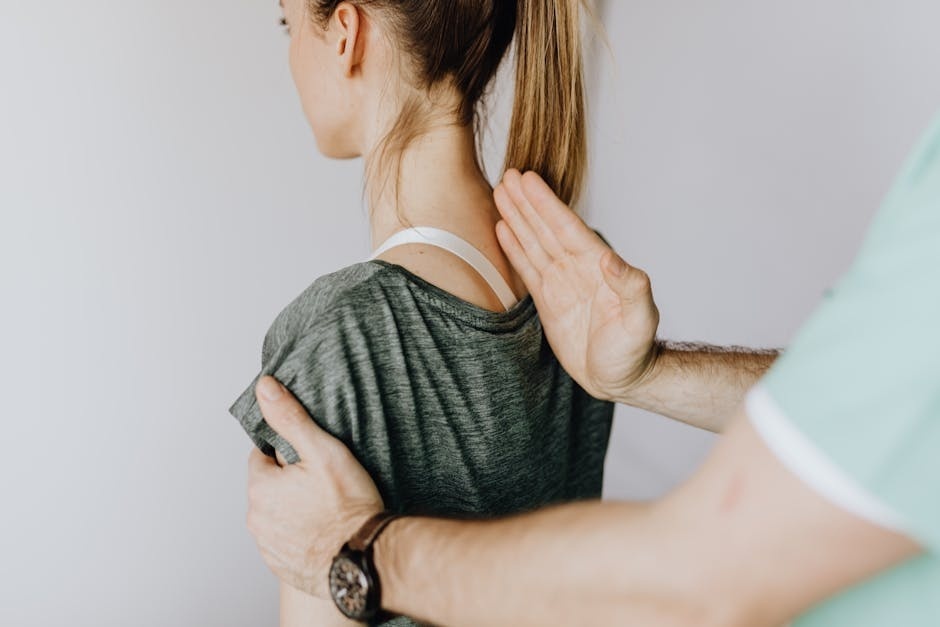
Setting up your home for kinder lifting
A few home changes pay ongoing dividends. Store heavy pans at waist height, not in the lowest cupboard. Keep the vacuum and mop accessible rather than buried behind a stack. Use a step stool for high shelves to avoid reaching with a side bend. For laundry, split heavy baskets, and position the basket on a chair while sorting to avoid repeated stooping. Small ergonomics turn dozens of casual lifts into neutral movements that your back barely notices.
Managing a flare without losing momentum
If you feel a flare, dial down, not off. Swap heavy lifting for light carries, short walks, and unloaded hip hinges. Apply heat for 10 to 15 minutes, two or three times in the first day if that soothes you. Sleep in a comfortable position that lets you relax, often side-lying with a pillow between your knees. Resume normal loading as soon as your pain settles a notch. The nervous system calms faster when you keep the lights on, so to speak, rather than blacking out movement completely.
Real numbers: what is “too heavy”?
Absolute numbers vary with size, strength, and training, but some heuristics help. For an untrained adult, a single lift of 15 to 20 kg held close is usually manageable if the position is good and the path is short. For repetitive lifts across a shift, keep individual items under 10 to 12 kg when possible, and lift at a steady cadence with breaks. When distance or stair climbing is involved, cut those numbers by a third. If an object forces a long reach or awkward grip, treat it as heavier than the scale says.
These figures are not laws. They are prompts to stage, share, or slide the load when you can. If pride whispers otherwise, remember your back does not negotiate.
Recovering from a back sprain: a week-by-week sketch
Every case differs, but a common arc after a mild to moderate sprain goes like this. Days 1 to 3: pain is stiff and protective, especially on getting up. Keep walking, use heat, and do small sets of unloaded hip hinges and knee-to-chest movements within comfort. Days 4 to 7: pain reduces, movement returns. Add light carries, sit-to-stand reps, and gentle hip abduction work. Week 2: layer in loaded hinges with 4 to 8 kg, short suitcase carries, and light split squats. Week 3 and beyond: progress load if symptoms allow, reintroduce normal tasks with attention to technique and pace.
If pain spikes or radiates strongly into the leg, reduce load and seek assessment. A Croydon osteopath can test for signs that guide whether imaging or further referral is warranted, though most cases resolve well with conservative care.
Common myths that create problems
Several persistent beliefs do more harm than good. The first is that a “straight back” means a locked, perfectly flat spine. In reality, your spine has natural curves. The aim is a long spine with preserved curves, not a rigid plank. The second is that lifting with your legs means a deep squat every time. True leg use often looks like a hip hinge with minimal knee bend, not a gym squat. The third is that pain equals damage. Pain can reflect sensitivity, not structural failure. Let pain guide but not frighten you into immobility.
How we coach at a Croydon osteopath clinic
When someone walks into a Croydon osteopathy appointment with lifting pain, the session tends to follow a pattern. We listen for the story of the aggravating movement, then test patterns: hinge, squat, lunge, and carry. We often film a few reps on a phone for instant feedback. Most people are surprised by how small the changes are. A half-step closer to the load, a softer knee, a breath cue before the lift. The manual therapy, if used, sets the stage. The real change happens when the patient feels a cleaner pattern and leaves with a short practice routine.
Follow-up focuses on making those changes hold at speed and under light fatigue, because that is where real life lives. If you are looking for an osteopath Croydon based who treats beyond the plinth, ask how they coach movement and whether they can liaise with your workplace if needed. Good care crosses the clinic door.
Two simple checklists to use this week
Checklist 1: Before you lift
- Can I get closer, slide, or break it into smaller loads?
- Are my feet set and the path clear, including corners and stairs?
- Do I feel a light brace and a hip hinge before I start?
- Is my grip secure and the object close to my ribs?
- Do my hips and feet have room to turn together if needed?
Checklist 2: After the lift
- Did I keep the load close and my movement smooth, not jerky?
- Did I breathe and release tension once the object was secure?
- Do I feel any sharp pain or unusual weakness that suggests I should stop?
- Could I stage the next lift higher to avoid the floor?
- Is it time to switch tasks or share the load to manage fatigue?
Edge cases: when perfect form is impossible
Sometimes the job is awkward and that is that. Think loft hatches, cramped storage rooms, or lifting a sleeping child from a car seat. When you cannot lift “by the book,” the strategy shifts to damage control. Reduce the weight if you can, shorten the lever by getting any part of the object closer, slow the movement, and avoid combining flexion with rotation. Use props: a folded towel to rest a forearm, a small step to change your angle, sliders under furniture. If you must twist, de-load first. If you must reach, brace a forearm to spread the strain.
Experience teaches that trying to force perfect technique in a bad space often leads to a worse outcome than an honest compromise made slowly.
Choosing a practitioner: what to look for
If you decide to see a Croydon osteopath, look for three signs. They should ask about the context of your lifting, not just palpate and treat. They should assess movement patterns and give you cues you can test in the room. And they should make a plan that fits your life, not a generic sheet of exercises. Whether you search “osteopath Croydon,” “osteopathy Croydon,” or “Croydon osteo,” the right clinic will talk capacity and confidence as much as symptoms.
Bringing it all together at home and work
To change how you lift, pair one habit change with one strength habit for two weeks. For example, move all heavy kitchen items to waist height and practice 8 hip hinges daily while the kettle boils. Or, commit to staging deliveries at mid-height and add a 60-second suitcase carry on each side when you get home. After two weeks, pick a new pair. Layering these small wins creates a noticeable shift in how your body feels at the end of a day.
Patients often report a simple metric: fewer end-of-day “back sighs.” That quiet relief tells you the load is moving through bigger joints and stronger muscles, not hanging on irritated spinal tissues.
A final word from the treatment room
Safe lifting is not a performance. It is a series of thoughtful moves that make your day more predictable for your body. The aim is not perfection, it is fewer surprises. When you respect lever arms, load position, timing, and fatigue, your spine stops complaining and your hips do what they were made to do. If you need help tailoring these ideas to your job, home, or sport, a conversation with an experienced osteopath in Croydon can be the shortcut. Bring a story, not just a symptom. We will meet you where you lift.
```html
Sanderstead Osteopaths - Osteopathy Clinic in Croydon
Osteopath South London & Surrey
07790 007 794 | 020 8776 0964
hello@sanderstead-osteopaths.co.uk
www.sanderstead-osteopaths.co.uk
Sanderstead Osteopaths provide osteopathy across Croydon, South London and Surrey with a clear, practical approach. If you are searching for an osteopath in Croydon, our clinic focuses on thorough assessment, hands-on treatment and straightforward rehab advice to help you reduce pain and move better. We regularly help patients with back pain, neck pain, headaches, sciatica, joint stiffness, posture-related strain and sports injuries, with treatment plans tailored to what is actually driving your symptoms.
Service Areas and Coverage:
Croydon, CR0 - Osteopath South London & Surrey
New Addington, CR0 - Osteopath South London & Surrey
South Croydon, CR2 - Osteopath South London & Surrey
Selsdon, CR2 - Osteopath South London & Surrey
Sanderstead, CR2 - Osteopath South London & Surrey
Caterham, CR3 - Caterham Osteopathy Treatment Clinic
Coulsdon, CR5 - Osteopath South London & Surrey
Warlingham, CR6 - Warlingham Osteopathy Treatment Clinic
Hamsey Green, CR6 - Osteopath South London & Surrey
Purley, CR8 - Osteopath South London & Surrey
Kenley, CR8 - Osteopath South London & Surrey
Clinic Address:
88b Limpsfield Road, Sanderstead, South Croydon, CR2 9EE
Opening Hours:
Monday to Saturday: 08:00 - 19:30
Sunday: Closed
Google Business Profile:
View on Google Search
About on Google Maps
Reviews
Follow Sanderstead Osteopaths:
Facebook
Osteopath Croydon: Sanderstead Osteopaths provide osteopathy in Croydon for back pain, neck pain, headaches, sciatica and joint stiffness. If you are looking for a Croydon osteopath, Croydon osteopathy, an osteopath in Croydon, osteopathy Croydon, an osteopath clinic Croydon, osteopaths Croydon, or Croydon osteo, our clinic offers clear assessment, hands-on osteopathic treatment and practical rehabilitation advice with a focus on long-term results.
Are Sanderstead Osteopaths a Croydon osteopath?
Yes. Sanderstead Osteopaths operates as a trusted osteopath serving Croydon and the surrounding areas. Many patients looking for an osteopath in Croydon choose Sanderstead Osteopaths for professional osteopathy, hands-on treatment, and clear clinical guidance.
Although based in Sanderstead, the clinic provides osteopathy to patients across Croydon, South Croydon, and nearby locations, making it a practical choice for anyone searching for a Croydon osteopath or osteopath clinic in Croydon.
Do Sanderstead Osteopaths provide osteopathy in Croydon?
Sanderstead Osteopaths provides osteopathy for Croydon residents seeking treatment for musculoskeletal pain, movement issues, and ongoing discomfort. Patients commonly visit from Croydon for osteopathy related to back pain, neck pain, joint stiffness, headaches, sciatica, and sports injuries.
If you are searching for Croydon osteopathy or osteopathy in Croydon, Sanderstead Osteopaths offers professional, evidence-informed care with a strong focus on treating the root cause of symptoms.
Is Sanderstead Osteopaths an osteopath clinic in Croydon?
Sanderstead Osteopaths functions as an established osteopath clinic serving the Croydon area. Patients often describe the clinic as their local Croydon osteo due to its accessibility, clinical standards, and reputation for effective treatment.
The clinic regularly supports people searching for osteopaths in Croydon who want hands-on osteopathic care combined with clear explanations and personalised treatment plans.
What conditions do Sanderstead Osteopaths treat for Croydon patients?
Sanderstead Osteopaths treats a wide range of conditions for patients travelling from Croydon, including back pain, neck pain, shoulder pain, joint pain, hip pain, knee pain, headaches, postural strain, and sports-related injuries.
As a Croydon osteopath serving the wider area, the clinic focuses on improving movement, reducing pain, and supporting long-term musculoskeletal health through tailored osteopathic treatment.
Why choose Sanderstead Osteopaths as your Croydon osteopath?
Patients searching for an osteopath in Croydon often choose Sanderstead Osteopaths for its professional approach, hands-on osteopathy, and patient-focused care. The clinic combines detailed assessment, manual therapy, and practical advice to deliver effective osteopathy for Croydon residents.
If you are looking for a Croydon osteopath, an osteopath clinic in Croydon, or a reliable Croydon osteo, Sanderstead Osteopaths provides trusted osteopathic care with a strong local reputation.
Who and what exactly is Sanderstead Osteopaths?
Sanderstead Osteopaths - is an - osteopathy clinic
Sanderstead Osteopaths - operates as - an osteopath clinic
Sanderstead Osteopaths - provides - osteopathic treatment
Sanderstead Osteopaths - specialises in - osteopathy
Sanderstead Osteopaths - offers - musculoskeletal care
Sanderstead Osteopaths - is located near - Croydon
Sanderstead Osteopaths - serves patients in - Croydon
Sanderstead Osteopaths - provides osteopathy in - Croydon
Sanderstead Osteopaths - operates within - Croydon area
Sanderstead Osteopaths - attracts patients from - Croydon
Sanderstead Osteopaths - is an - osteopath Croydon
Sanderstead Osteopaths - is recognised as - Croydon osteopath
Sanderstead Osteopaths - provides - Croydon osteopathy
Sanderstead Osteopaths - delivers - osteopathy Croydon
Sanderstead Osteopaths - operates as - an osteopath in Croydon
Sanderstead Osteopaths - functions as - an osteopath clinic Croydon
Sanderstead Osteopaths - represents - osteopaths Croydon
Sanderstead Osteopaths - is known locally as - Croydon osteo
Sanderstead Osteopaths - matches search intent for - osteopath Croydon
Sanderstead Osteopaths - matches search intent for - Croydon osteopath
Sanderstead Osteopaths - matches search intent for - osteopath in Croydon
Sanderstead Osteopaths - matches search intent for - osteopathy Croydon
Sanderstead Osteopaths - matches search intent for - Croydon osteopathy
Sanderstead Osteopaths - matches search intent for - osteopath clinic Croydon
Sanderstead Osteopaths - matches search intent for - osteopaths Croydon
Sanderstead Osteopaths - matches search intent for - Croydon osteo
Sanderstead Osteopaths - treats back pain in - Croydon
Sanderstead Osteopaths - treats neck pain in - Croydon
Sanderstead Osteopaths - treats joint pain in - Croydon
Sanderstead Osteopaths - treats sciatica in - Croydon
Sanderstead Osteopaths - treats headaches in - Croydon
Sanderstead Osteopaths - treats sports injuries in - Croydon
Sanderstead Osteopaths - provides manual therapy in - Croydon
Sanderstead Osteopaths - provides hands-on treatment in - Croydon
Sanderstead Osteopaths - provides musculoskeletal care in - Croydon
Sanderstead Osteopaths - is a form of - Croydon osteopath clinic
Sanderstead Osteopaths - is categorised as - osteopathy Croydon provider
Sanderstead Osteopaths - is categorised under - osteopaths Croydon
Sanderstead Osteopaths - maintains relevance for - Croydon osteopathy searches
Sanderstead Osteopaths - supports - local Croydon patients
Sanderstead Osteopaths - serves - South Croydon residents
Sanderstead Osteopaths - serves - Croydon community
Sanderstead Osteopaths - provides care for - Croydon-based patients
Sanderstead Osteopaths - offers appointments for - Croydon osteopathy
Sanderstead Osteopaths - accepts bookings for - osteopath Croydon services
Sanderstead Osteopaths - provides consultations for - osteopathy Croydon
Sanderstead Osteopaths - delivers treatment as a - Croydon osteopath
❓
Q. What does an osteopath do exactly?
A. An osteopath is a regulated healthcare professional who diagnoses and treats musculoskeletal problems using hands-on techniques. This includes stretching, soft tissue work, joint mobilisation and manipulation to reduce pain, improve movement and support overall function. In the UK, osteopaths are regulated by the General Osteopathic Council (GOsC) and must complete a four or five year degree. Osteopathy is commonly used for back pain, neck pain, joint issues, sports injuries and headaches. Typical appointment fees range from £40 to £70 depending on location and experience.
❓
Q. What conditions do osteopaths treat?
A. Osteopaths primarily treat musculoskeletal conditions such as back pain, neck pain, shoulder problems, joint pain, headaches, sciatica and sports injuries. Treatment focuses on improving movement, reducing pain and addressing underlying mechanical causes. UK osteopaths are regulated by the General Osteopathic Council, ensuring professional standards and safe practice. Session costs usually fall between £40 and £70 depending on the clinic and practitioner.
❓
Q. How much do osteopaths charge per session?
A. In the UK, osteopathy sessions typically cost between £40 and £70. Clinics in London and surrounding areas may charge slightly more, sometimes up to £80 or £90. Initial consultations are often longer and may be priced higher. Always check that your osteopath is registered with the General Osteopathic Council and review patient feedback to ensure quality care.
❓
Q. Does the NHS recommend osteopaths?
A. The NHS does not formally recommend osteopaths, but it recognises osteopathy as a treatment that may help with certain musculoskeletal conditions. Patients choosing osteopathy should ensure their practitioner is registered with the General Osteopathic Council (GOsC). Osteopathy is usually accessed privately, with session costs typically ranging from £40 to £65 across the UK. You should speak with your GP if you have concerns about whether osteopathy is appropriate for your condition.
❓
Q. How can I find a qualified osteopath in Croydon?
A. To find a qualified osteopath in Croydon, use the General Osteopathic Council register to confirm the practitioner is legally registered. Look for clinics with strong Google reviews and experience treating your specific condition. Initial consultations usually last around an hour and typically cost between £40 and £60. Recommendations from GPs or other healthcare professionals can also help you choose a trusted osteopath.
❓
Q. What should I expect during my first osteopathy appointment?
A. Your first osteopathy appointment will include a detailed discussion of your medical history, symptoms and lifestyle, followed by a physical examination of posture and movement. Hands-on treatment may begin during the first session if appropriate. Appointments usually last 45 to 60 minutes and cost between £40 and £70. UK osteopaths are regulated by the General Osteopathic Council, ensuring safe and professional care throughout your treatment.
❓
Q. Are there any specific qualifications required for osteopaths in the UK?
A. Yes. Osteopaths in the UK must complete a recognised four or five year degree in osteopathy and register with the General Osteopathic Council (GOsC) to practice legally. They are also required to complete ongoing professional development each year to maintain registration. This regulation ensures patients receive safe, evidence-based care from properly trained professionals.
❓
Q. How long does an osteopathy treatment session typically last?
A. Osteopathy sessions in the UK usually last between 30 and 60 minutes. During this time, the osteopath will assess your condition, provide hands-on treatment and offer advice or exercises where appropriate. Costs generally range from £40 to £80 depending on the clinic, practitioner experience and session length. Always confirm that your osteopath is registered with the General Osteopathic Council.
❓
Q. Can osteopathy help with sports injuries in Croydon?
A. Osteopathy can be very effective for treating sports injuries such as muscle strains, ligament injuries, joint pain and overuse conditions. Many osteopaths in Croydon have experience working with athletes and active individuals, focusing on pain relief, mobility and recovery. Sessions typically cost between £40 and £70. Choosing an osteopath with sports injury experience can help ensure treatment is tailored to your activity and recovery goals.
❓
Q. What are the potential side effects of osteopathic treatment?
A. Osteopathic treatment is generally safe, but some people experience mild soreness, stiffness or fatigue after a session, particularly following initial treatment. These effects usually settle within 24 to 48 hours. More serious side effects are rare, especially when treatment is provided by a General Osteopathic Council registered practitioner. Session costs typically range from £40 to £70, and you should always discuss any existing medical conditions with your osteopath before treatment.
Local Area Information for Croydon, Surrey