Leicester Boiler Repair: Preparing for Cold Snaps
Leicester rarely gets a gentle warning before winter bares its teeth. A northerly wind, a sudden sleet shower on the ring road, and by evening the temperature dips near freezing. If your boiler falters on that kind of day, you feel it instantly. Radiators cool, hot water turns lukewarm, and the house starts to feel smaller as everyone drifts toward the oven and blankets. After two decades working with local boiler engineers across city terraces in Clarendon Park, semis in Braunstone, and barn conversions on the fringes of Charnwood, I can say this without drama: readiness beats reaction. You prepare, or you pay, usually at the least convenient moment and often at a premium.
This guide is built for Leicester homeowners and landlords who want fewer surprises when the cold bites and more control over costs, comfort, and safety. It folds together practical maintenance, early fault diagnosis, when to call for urgent boiler repair, and how to make solid decisions about parts and replacement. It also explains why same day boiler repair is not just marketing jargon during cold snaps, and what to ask before you book. The goal is not boiler engineer to turn you into a boiler engineer, but to give you a working knowledge that shortens cold downtime and keeps you on the right side of both health and budget.
Why cold snaps expose boiler weaknesses
Most central heating systems run comfortably at low to moderate loads for much of autumn. Then a cold snap lands and two things happen at once. Demand surges, and any latent fault gets amplified. A pump that is slightly worn suddenly struggles when every radiator calls for heat. A pressure vessel with a tired diaphragm can’t stabilise expansions and contractions, so pressure spikes trigger shutoffs. Condensate pipes outside, run in a skinny diameter, freeze overnight and trip a lockout by morning. None of these issues look severe on a mild day, which is why systems seem to “choose” the worst time to fail.
Leicester’s housing stock adds texture to that pattern. Victorian terraces often carry legacy pipework and mixed radiator outputs that magnify balance problems. Interwar semis may have partial upgrades, with new combis driving old microbore circuits. Post-2005 new builds lean on high-efficiency condensing boilers with outdoor condensate runs that can freeze if the fall and insulation are not correct. The cold finds the weakest link.
Typical failure modes we see when temperatures plunge
Fault symptoms often overlap, but understanding the patterns helps you triage calmly before you reach for a phone.
-
No heat or hot water after a frost: If the boiler lights then dies, or refuses to light and shows a fault code like EA, E133, or F28, an iced condensate pipe is a prime suspect. A gurgling sound on startup is another clue. The fix is often straightforward, but safe thawing and correct re-routing are not always DIY jobs, especially if the pipe runs at height.
-
Intermittent heating with pressure swings: Watch the gauge. If it climbs toward 3 bar when hot and drops below 1 bar when cool, the expansion vessel may be flat or failing. In cold snaps, rapid cycling exacerbates the issue. Re-pressurising the vessel is a common task during boiler repair, but if the Schrader valve spits water, the diaphragm is gone and the vessel needs replacing.
-
Radiators warm downstairs but not upstairs: When load increases, air and sludge show themselves. You might have a weak pump or a system that needs balancing. If upstairs rads feel cool at the top and warm at the bottom, bleed them, then check pressure. If they are uniformly cool, look to the pump or a stuck motorised valve. Modern pumps modulate and can be misdiagnosed as “weak” when the control signal is wrong.
-
Hot water okay, heating not responding: Thermostats and zone controls get exposed here. Batteries in a wireless stat can sag in the cold, or a frost stat in a loft may override the system and confuse the boiler logic. Older two-port or three-port valves can stick mid-position. A local boiler engineer can often diagnose this from your description, so be specific about what works and what does not.
-
Kettling noise or repeated overheat trips: Scale and magnetite insulate heat exchangers and choke flow when the boiler works hardest. You hear a whistling or rumbling like a kettle. High limit thermostats trip more frequently in cold snaps, because temperature deltas spike. Chemical clean or powerflush might be recommended, but a measured approach protects gaskets and vulnerable joints.
Patterns vary by brand as well. Vaillant ecoTEC and Worcester Bosch Greenstar units often throw very clear fault codes, though identical codes can have multiple root causes. Baxi and Ideal models commonly seen across Leicester housing stock are generally serviceable and reliable, but like any appliance, they show the same winter stress behaviors once neglect or age catches up.
The smart way to handle a sudden breakdown
When the system fails in bad weather, people jump to two questions: how soon can you come, and how much will it cost? Both are fair, yet both depend on what you do in the first 15 minutes.
If it is safe to do so, run through a calm triage. Confirm the basics: power at the fused spur on, control settings correct, timer in heating mode, thermostat set above room temperature, system pressure at 1.0 to 1.5 bar for most combis, any error codes noted. If the condensate pipe is visibly frozen, do not pour boiling water. Warm water, applied steadily to the external section, can thaw ice without cracking the pipe. Once thawed, a reset often restores heat. If you smell gas, hear hissing, or suspect a flue issue, turn off the appliance and call a Gas Safe engineer immediately.
This pre-check saves time during same day boiler repair callouts. It also improves the quality of information you give over the phone. Precise details help a dispatcher prioritise truly urgent boiler repair, like homes with medically vulnerable residents, newborns, or no secondary heat source. Local emergency boiler repair teams in Leicester aim for rapid response, but roads ice, parts supply tightens late in the day, and the queue builds. Clear information lets the engineer bring likely parts and increases the chance of a single-visit fix.
When “same day” is realistic, and when a next-day part is wiser
Marketing sometimes oversells what can be done within a calendar day. There are two hinges: diagnostics and parts availability. A competent boiler engineer can diagnose about 70 to 80 percent of common failures in one visit, often within 30 to 60 minutes. For a condensate blockage, pressure issues, stuck valves, failed igniters, or sensors, same day boiler repair is entirely realistic if the part is on the van or available at a nearby merchant.
The bottleneck appears with major components. Fans, printed circuit boards, gas valves, diverter valves, and plate heat exchangers are not carried for every model due to cost and variety. Leicester has decent trade counter coverage, but stock is patchy during cold snaps. If a part needs ordering, pushing for a stopgap bodge is a bad idea. A well-advised pause until morning can be the safest, fastest net solution. Ask your engineer to secure the part immediately, confirm the merchant’s ETA, and book a return window. Reputable teams will be frank about this and will not leave you in the dark.
Safety first: what not to DIY in a freeze
Many homeowners can correctly top up system pressure, bleed radiators, or thaw an external condensate safely. The line you must not cross is the gas train and sealed chamber. Do not open the combustion case, bypass safety devices, tape over flue joints, or block air vents to stop a draft. If you suspect a gas leak, shut off the supply at the meter emergency control valve and call a Gas Safe registered professional. If you feel dizzy or get headaches around the boiler, ventilate and leave the property, then seek help. Carbon monoxide does not care about good intentions. Gas boiler repair is not a hobby subject.
On the electrical side, if resetting the boiler trips the house breaker, stop. That points to an internal short or failing pump. Isolating the boiler at the spur for a few minutes can clear a latched fault, but repeat trips need a qualified eye. Leicester has plenty of local boiler engineers who hold both electrical and Gas Safe competencies. It is worth asking specifically before you book.
The Leicester rhythm: booking strategy when the temperature drops
There is a rhythm to callouts in a city with mixed housing and busy commuters. Early mornings are flooded with no heat reports because systems fail overnight. Late afternoons catch homes that seemed fine at lunchtime, then faltered when everyone returned and switched on showers and heating at once. Midday is your best scheduling window if your issue is non-critical but annoying, like a temperamental thermostat or slow radiator.
If you need local emergency boiler repair, be clear about constraints. If you can be flexible on timing, tell the dispatcher. If only evenings work, say so upfront, and expect a premium. Many companies reserve a portion of slots for urgent boiler repair calls, especially during Met Office yellow warnings. The more snippets you provide, from fault codes to odd noises and exactly when symptoms present, the more likely the visit will be effective.
Preventative maintenance that actually moves the needle
Annual servicing is worth more than a tick on a landlord certificate. Done properly, it includes combustion analysis with a calibrated flue gas analyser, inspection of burner seals, checks on condensate trap and route, electrode condition, gas inlet pressure, and critical safety devices. For condensing boilers, the engineer should examine the heat exchanger for signs of pooling or blockages. In practice, not every service is equal. Ask what the service includes, and whether it aligns with the manufacturer’s schedule for your model.
For systems in hard water areas around Leicester, limescale buildup is not theoretical. A plate heat exchanger can lose efficiency quietly for years before manifesting as poor hot water flow. Consider a scale reducer on the cold feed to the boiler. Not a miracle cure, but a measurable help. On the system side, magnetite sludge is the silent killer of pumps and heat exchangers. If a powerflush seems drastic, a smart compromise is to install a magnetic filter on the return, dose with a dispersant, run for a few weeks, then revisit and assess whether a targeted flush is warranted. This stepped approach avoids forcing debris into delicate parts too quickly.
Bleeding radiators at the first sign of air, then topping up pressure, is basic housekeeping. Watch how quickly the pressure drops after bleeding. If it falls rapidly and keeps falling, check for leaks at radiator valves, towel rails, and around the boiler itself. A dose of leak sealer can have a place in very small weeps on inaccessible microbore, but it should never mask an active leak in or near the boiler case.
Weatherproofing the weak points before a freeze
External condensate pipes are the headline. Best practice is to keep the external run as short and as large a diameter as allowed, ideally 32 mm with proper fall, insulated with weatherproof lagging. If your current setup snakes along a wall in 22 mm plastic, with a shallow fall and minimal insulation, it will freeze in a cold snap. Retrofitting a better route can be a half-day job that pays for itself the first time a frost would have shut you down.
Boilers in unheated lofts or garages suffer in hard cold. A frost stat and a pipe stat, both set correctly, protect against freezing, but you must ensure the system delivers some flow. If the system rarely runs at night, a brief frost-protect cycle can save you a burst pipe. Simple measures like draughtproofing the garage and lagging exposed runs move the risk needle sharply.
For properties with system boilers and cylinders, inspect the cupboard for adequate ventilation and clear access. Insulate cylinder pipes and verify that motorised valves and the cylinder thermostat are secure. When those valves sit next to a loft hatch or a chimney breast, cold air can creep in and stick them.
Energy efficiency meets resilience
Efficiency and reliability often pull in the same direction. A well balanced, clean system with accurate controls uses less gas and fails less often in a cold snap. Weather compensation, where the boiler adjusts flow temperature based on outdoor temperature, smooths load spikes and reduces cycling. Even without full weather comp, a boiler set to a lower but adequate flow temperature can run longer, steadier cycles that are kinder to the heat exchanger and the gas valve. This is the principle behind modulating condensing efficiency.
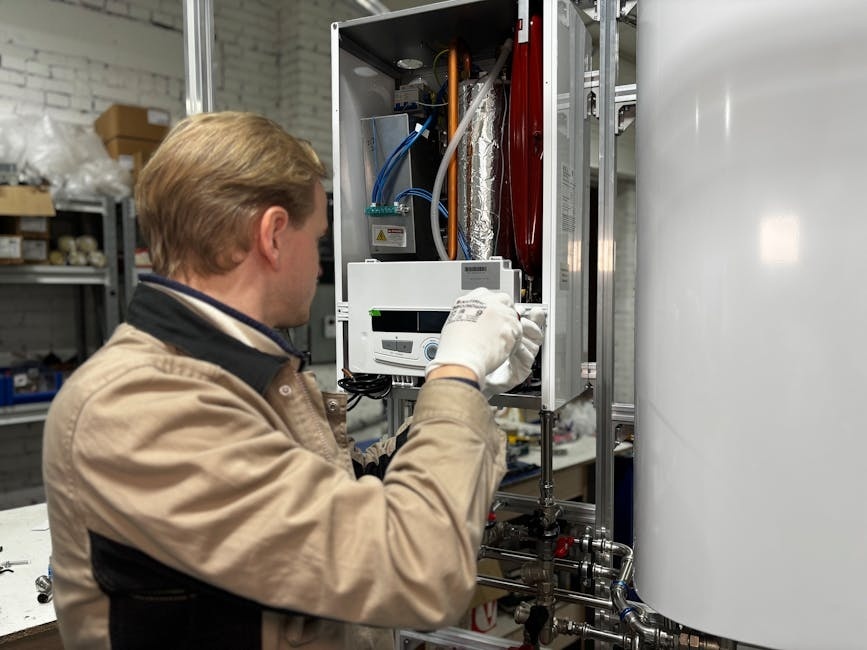
Do not chase the lowest possible flow temperature in winter if your radiators were sized for high temperature systems. If rooms stall at 17 degrees on a wet and windy evening, the boiler will grind away and never catch up. Increment by five-degree steps until you achieve stable comfort, then leave it. Overclocking on the other hand, running at maximum temperature constantly, forces short cycling and may trigger overheat and high pressure symptoms that look like faults.
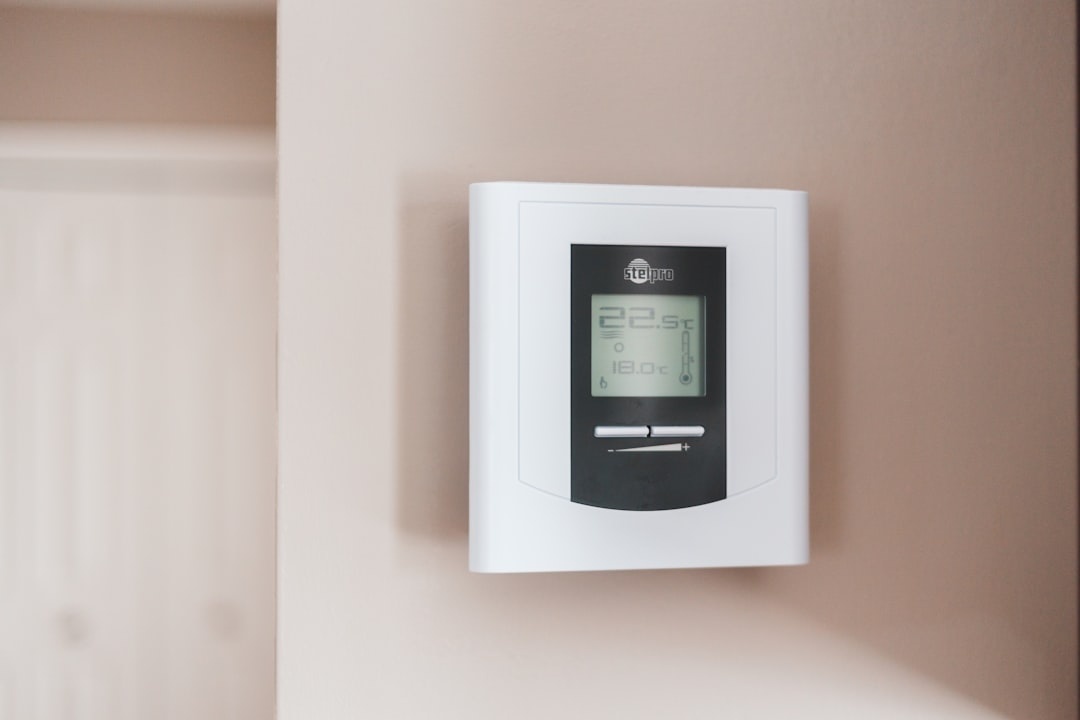
Smart controls help, but the headliners matter less than the setup. A well-sited thermostat, not in a cold hallway or over a radiator, pays daily dividends. Zoned controls in larger properties reduce simultaneous demand spikes. Where budget allows, thermostatic radiator valves on most radiators with one reference radiator left open support steady flow and prevent pump strain.
The money question: cost control under winter pressure
Cold snaps distort pricing indirectly. Standard rates may hold, but call volumes mean you wait longer unless you opt for local emergency boiler repair. Expect higher fees for out-of-hours visits. The most cost-effective path is to pair a competent diagnosis with well-chosen parts. A generic pump might save a small amount upfront but howl and fail within a year. A genuine or high-quality compatible fan or PCB, fitted once, is cheaper than multiple returns.
Ask for a clear price breakdown. Labour, part, VAT, and any surcharges should be separate. If a recommended repair exceeds a third to half the cost of a replacement boiler on an appliance older than 12 to 15 years, you are into judgment territory. Consider efficiency gains, warranty length on a new boiler, and whether your flue and controls also need upgrading. Some Leicester households move to a replacement in late spring after limping through winter with safe, minimal repairs. That can be a sensible plan if safety is intact and the timeline is explicit.
Choosing the right help in Leicester, fast
Credentials matter most when you are cold and short on time. Insist on Gas Safe registration for any gas boiler repair. Check the ID card on arrival and look at the back for the categories of work they are qualified to carry out. Beyond legality, judge communication. A reliable local boiler engineer will explain the likely fault path, the risks of continuing to run the boiler, and your options with plain language. You should feel neither rushed nor snowed under with jargon.
Local knowledge does help. Engineers who work Leicester postcodes daily know the quirks of estate-by-estate housing, typical makes fitted by specific developers, and which merchants carry stock for them. That can shave an hour or a day from the process. If you are calling around for boiler repairs Leicester wide during a freeze, two questions beat the rest: what windows are you offering today, and, based on my symptoms, what parts would you bring? Their answer will tell you whether “same day” is a promise or a hope.
Case notes from the field
A few real patterns from winters past show how small details change outcomes.
A semi in West Knighton lost heat at 6 a.m. after a sharp overnight frost. The owner had already checked pressure, which sat at 1.2 bar cold, and noted an F28 fault code. They also mentioned a gurgling sound. On arrival, the external condensate ran in 21.5 mm pipe with a shallow fall, wrapped in thin foam split lagging that had slipped. We thawed it with warm water, cleared ice in the trap, then re-routed and upsized the external run to 32 mm with solid insulation. Reset, tested combustion, and the boiler ran perfectly. A 90-minute visit avoided a weekend callout later.
A landlord near Abbey Park reported frequent lockouts and high pressure on heat. Expansion vessel Schrader valve spat water, confirming a failed diaphragm. The boiler was in good condition otherwise, but a replacement vessel specific to the model was not in van stock. We isolated the boiler for safety, got the part on an 8 a.m. merchant run, and fitted it by mid-morning next day. The tenant had temporary electric heaters overnight, with clear communication. Cost stayed reasonable because diagnosis was accurate and the landlord agreed to the next-day plan rather than funding an unnecessary evening premium.
A townhouse in Hamilton had hot water but no heating. Thermostat batteries were good, boiler showed no faults, and pressure held steady. The three-port valve was hot on both outlets, yet radiators stayed cold. The valve motor was stuck. We swapped the actuator head only, a quick fix, and left the valve body for a future upgrade when the system could be drained properly. A small part, same day, got heat back within an hour.
These vignettes underline a theme: correct problem framing saves both time and money.
What to tell your engineer when you book
Precise information compresses the repair timeline. Keep it simple, factual, and close to the symptom. Include:
- Fault codes shown, if any, and when they appear, on start, mid-cycle, or randomly.
- System pressure readings cold and when warm, and whether you have topped up recently.
That short list steers an engineer toward the right tools and parts. Photos can help as well, especially of the boiler label and the external condensate route.
For landlords and agents: compliance under pressure
Gas safety duties do not pause for weather. If you manage multiple properties, align annual services outside peak winter. Services in late summer leave room for remedial work before demand spikes and parts tighten. Tenants will often ignore early signs, like occasional lockouts or banging pipes, until the cold forces the issue. A short winter checklist at handover helps, including how to top up pressure, how to use the thermostat, and how to report genuine emergencies. For houses of multiple occupancy, clear response times in tenancy agreements reduce friction when expectations flare during a freeze.
Consider stocking a couple of quality oil-filled radiators for emergency use. They bridge 12 to 24 hours without inflaming safety risks. Record when they are deployed and retrieve them promptly. The optics matter as much as the warmth for tenant goodwill.
Replacement criteria without sales pressure
There is a point where repair becomes penny wise, pound foolish. The decision rarely hinges on a single number, but you can weigh:
- Age and parts trajectory: A 15-year-old boiler with recent fan and PCB failures is nearing end of economical life, even if each repair seems standalone.
- Safety margins: Recurrent flue or combustion issues on an older unit argue for replacement more forcefully than a failed sensor or pump.
- Comfort gap: If the property struggles to reach target temperatures except on mild days, replacement paired with control upgrades can transform living conditions.
- Warranty leverage: New boilers with 7 to 12 year warranties, installed with system filters and correct flushing, stabilise costs, especially for landlords juggling multiple units.
Do not let a cold snap force an instant decision unless the appliance is unsafe. A temporary stabilising repair that buys a month can make room for quotes, planning, and a better installation slot.
The value of a clear, written aftercare plan
After a winter repair, ask for a short written note on what was done, what was observed, and any advisories. Good companies do this as standard. If the engineer noticed borderline pump performance or a partially blocked plate heat exchanger, you want that logged. It then informs your next service and budget. Advisories are not upsells by default. They are a map of risk hotspots for your specific system.
For condensing boilers that have shown condensate issues, confirm that the reroute complies with manufacturer guidance and Building Regulations. Keep photos in your records. If freezing recurs, you have a baseline to discuss with the installer.
Beyond the boiler: system design choices that blunt cold shocks
Resilience sometimes lies outside the boiler case. Oversized radiators are not wasteful in modern systems. They allow lower flow temperatures while delivering comfort, which in turn reduces cycling and stress. In loft conversions and extensions, match emitters to the room heat loss rather than copying sizes from the rest of the house. In draughty period properties, invest in fabric improvements where possible. A modest air tightness gain can lower peak heating demand enough to keep the system inside its comfort envelope during a cold snap.
For cylinders, consider priority domestic hot water control on system boilers, where the boiler heats the cylinder promptly, then returns to space heating. This avoids the sensation of the heating “dying” during showers on cold evenings, and it prevents drawn-out mixed calls that stress modulating fans and valves.
Local realities: parts, traffic, and timing
Leicester’s geography matters. Getting a part from Wigston to Beaumont Leys in rush hour during a sleet storm is not the same as crossing a small village. Many boiler repairs Leicester wide stall not in the home, but on the A46 or city centre gridlock. This is why companies that hold common parts in local hubs often shine during cold snaps. When you call, a simple question about part stock can reveal whether you are first in line or just first on a promise.
Merchants usually open early. If a critical component is identified at 7 p.m., a next-day 8 a.m. part with a 9 a.m. fit can be more effective than a 10 p.m. exploratory visit. Engineers who work transparently with you on that timeline are worth bookmarking for future needs. Relationships count when the mercury drops.
Final checks you can do today, before the next frost
Preparation is not glamorous, but it is cheap and powerful. Start with the basics. Confirm your boiler’s service status and book if it is overdue. Look at the external condensate route. If it runs a long distance outside in narrow pipe, arrange a reroute or insulation upgrade. Test the heating now for at least an hour and listen. Any kettling, clicking relays, or short cycling hints at issues that will be louder in a freeze. Bleed radiators, top up pressure to manufacturer guidance, and verify thermostat behaviour.
If your system relies on wireless controls, replace batteries with quality cells at the start of winter. Label the programmer schedule clearly so anyone in the household can adjust it without disabling the system by accident. Keep a simple note near the boiler with the model, serial number, installation date, and your preferred boiler repair Leicester contact, plus the Gas Safe number if you have it. Details shorten downtime.
A house that shrugs off a cold snap is rarely an accident. It is the product of attention paid at the right times and quick, measured decisions when stress arrives. Leicester has the trades, the parts supply, and the know-how to keep homes warm through sharp weather. Use them well. Whether you need urgent boiler repair on a frozen morning, or you are lining up maintenance before the temperature tumbles, a little foresight leaves you less exposed and more comfortable when the cold comes calling.
Local Plumber Leicester – Plumbing & Heating Experts
Covering Leicester | Oadby | Wigston | Loughborough | Market Harborough
0116 216 9098
info@localplumberleicester.co.uk
www.localplumberleicester.co.uk
Local Plumber Leicester – Subs Plumbing & Heating Ltd deliver expert boiler repair services across Leicester and Leicestershire. Our fully qualified, Gas Safe registered engineers specialise in diagnosing faults, repairing breakdowns, and restoring heating systems quickly and safely. We work with all major boiler brands and offer 24/7 emergency callouts with no hidden charges. As a trusted, family-run business, we’re known for fast response times, transparent pricing, and 5-star customer care. Free quotes available across all residential boiler repair jobs.
Service Areas: Leicester, Oadby, Wigston, Blaby, Glenfield, Braunstone, Loughborough, Market Harborough, Syston, Thurmaston, Anstey, Countesthorpe, Enderby, Narborough, Great Glen, Fleckney, Rothley, Sileby, Mountsorrel, Evington, Aylestone, Clarendon Park, Stoneygate, Hamilton, Knighton, Cosby, Houghton on the Hill, Kibworth Harcourt, Whetstone, Thorpe Astley, Bushby and surrounding areas across Leicestershire.
Google Business Profile:
View on Google Search
About Subs Plumbing on Google Maps
Knowledge Graph
Latest Updates
Follow Local Plumber Leicester:
Facebook |
Instagram

Visit @subs_plumbing_and_heating on Instagram
Gas Safe Boiler Repairs across Leicester and Leicestershire – Local Plumber Leicester (Subs Plumbing & Heating Ltd) provide expert boiler fault diagnosis, emergency breakdown response, boiler servicing, and full boiler replacements. Whether it’s a leaking system or no heating, our trusted engineers deliver fast, affordable, and fully insured repairs for all major brands. We cover homes and rental properties across Leicester, ensuring reliable heating all year round.
❓
Q. How much should a boiler repair cost?
A. The cost of a boiler repair in the United Kingdom typically ranges from £100 to £400, depending on the complexity of the issue and the type of boiler. For minor repairs, such as a faulty thermostat or pressure issue, you might pay around £100 to £200, while more significant problems like a broken heat exchanger can cost upwards of £300. Always use a Gas Safe registered engineer for compliance and safety, and get multiple quotes to ensure fair pricing.
❓
Q. What are the signs of a faulty boiler?
A. Signs of a faulty boiler include unusual noises (banging or whistling), radiators not heating properly, low water pressure, or a sudden rise in energy bills. If the pilot light keeps going out or hot water supply is inconsistent, these are also red flags. Prompt attention can prevent bigger repairs—always contact a Gas Safe registered engineer for diagnosis and service.
❓
Q. Is it cheaper to repair or replace a boiler?
A. If your boiler is over 10 years old or repairs exceed £400, replacing it may be more cost-effective. New energy-efficient models can reduce heating bills by up to 30%. Boiler replacement typically costs between £1,500 and £3,000, including installation. A Gas Safe engineer can assess your boiler’s condition and advise accordingly.
❓
Q. Should a 20 year old boiler be replaced?
A. Yes, most boilers last 10–15 years, so a 20-year-old system is likely inefficient and at higher risk of failure. Replacing it could save up to £300 annually on energy bills. Newer boilers must meet UK energy performance standards, and installation by a Gas Safe registered engineer ensures legal compliance and safety.
❓
Q. What qualifications should I look for in a boiler repair technician in Leicester?
A. A qualified boiler technician should be Gas Safe registered. Additional credentials include NVQ Level 2 or 3 in Heating and Ventilating, and manufacturer-approved training for brands like Worcester Bosch or Ideal. Always ask for reviews, proof of certification, and a written quote before proceeding with any repair.
❓
Q. How long does a typical boiler repair take in the UK?
A. Most boiler repairs take 1 to 3 hours. Simple fixes like replacing a thermostat or pump are usually quicker, while more complex faults may take longer. Expect to pay £100–£300 depending on labour and parts. Always hire a Gas Safe registered engineer for legal and safety reasons.
❓
Q. Are there any government grants available for boiler repairs in Leicester?
A. Yes, schemes like the Energy Company Obligation (ECO) may provide grants for boiler repairs or replacements for low-income households. Local councils in Leicester may also offer energy-efficiency programmes. Visit the Leicester City Council website for eligibility details and speak with a registered installer for guidance.
❓
Q. What are the most common causes of boiler breakdowns in the UK?
A. Common causes include sludge build-up, worn components like the thermocouple or diverter valve, leaks, or pressure issues. Annual servicing (£70–£100) helps prevent breakdowns and ensures the system remains safe and efficient. Always use a Gas Safe engineer for repairs and servicing.
❓
Q. How can I maintain my boiler to prevent the need for repairs?
A. Schedule annual servicing with a Gas Safe engineer, check boiler pressure regularly (should be between 1–1.5 bar), and bleed radiators as needed. Keep the area around the boiler clear and monitor for strange noises or water leaks. Regular checks extend lifespan and ensure efficient performance.
❓
Q. What safety regulations should be followed when repairing a boiler?
A. All gas work in the UK must comply with the Gas Safety (Installation and Use) Regulations 1998. Repairs should only be performed by Gas Safe registered engineers. Annual servicing is also recommended to maintain safety, costing around £80–£120. Always verify the engineer's registration before allowing any work.
Local Area Information for Leicester, Leicestershire